

Music discovery has always felt personal, from late-night playlists to random recommendations that just click. Somewhere in that journey, the question what is indie music naturally comes up. It sounds simple, but the answer goes beyond just a genre. It is about independence, creativity, and a unique way artists connect with listeners.
This music genre continues to evolve, blending styles and breaking rules. Understanding it today means looking at both its roots and how it fits into the modern music world.
What Is Indie Music?
Let’s start with a clear and simple explanation before exploring deeper layers.
Indie Music In Simple Terms
Indie music, short for independent music, refers to artists and bands producing music without financial backing or control from major record labels. It focuses on artistic freedom and self-expression rather than commercial formulas.
At its core, indie music is about independence in production and decision-making. Artists often release music on their own or through small labels, maintaining control over their sound and image.
Indie Music As A Concept
Over time, the meaning has expanded. While it started as a business model, indie music is now also seen as a style or aesthetic. It often features raw production, emotional depth, and a more personal connection with listeners. Today, indie is both a way of making music and a recognizable vibe that fans instantly connect with.
A Brief History Of Indie Music
To understand indie music today, it helps to look at where it all began.
Punk Roots And DIY Culture
Indie music has its roots in the 1970s punk movement. Artists rejected mainstream systems and created music on their own terms. This DIY ethos became a defining feature of indie culture. Bands began recording and distributing music independently, setting the foundation for what indie music would become.

The Rise Of Indie Labels
In the 1980s and 1990s, small independent labels started gaining attention. These labels supported artists who wanted creative freedom instead of commercial pressure. This period helped indie music grow into a recognized space within the music industry, even without major label backing.
The Digital Shift
The early 2000s brought a major shift with the internet. Platforms allowed artists to reach audiences directly, making indie music more accessible and global than ever before. Streaming services later amplified this, giving indie artists a powerful platform to grow their fanbase.
Key Characteristics Of Indie Music
These defining traits explain what makes indie music stand out.
Independent Production
Indie artists are usually unsigned, signed to small labels, or operate under their own labels. They control how their music is created and distributed. This independence allows them to experiment and take risks that mainstream artists might avoid.
Creative Control
A key aspect of indie music is prioritizing artistic vision over commercial success. Artists focus on authenticity rather than fitting into popular trends. This often leads to unique sounds and storytelling that feel more personal and genuine.
DIY Ethos And Authentic Sound
Indie music embraces a do-it-yourself approach. Artists often write, record, and promote their own work. The result is often a raw or lo-fi sound that feels real and unpolished, which many listeners find refreshing.
Popular Indie Subgenres
This music genre covers a wide range of styles, making it more diverse than many people expect.
Indie Rock And Indie Pop
Indie rock is one of the most recognizable styles, often featuring guitars and alternative influences. This music genre pop blends catchy melodies with a softer, less commercial feel. Both styles are widely popular and continue to evolve with new artists.
Indie Folk And Bedroom Pop
Yes, Indie folk focuses on acoustic sounds and storytelling. Bedroom pop, on the other hand, is created with minimal equipment, often in home studios. These subgenres highlight the personal and intimate nature of indie music.
Indie Electronic And Indie R&B
Also, Indie electronic combines experimental sounds with digital production. Indie R&B blends soulful elements with independent production styles. These genres show how indie music continues to expand across different musical landscapes.
Indie Vs Mainstream Music
Understanding the difference helps clarify what indie music really represents.
Creative Freedom Vs Commercial Goals
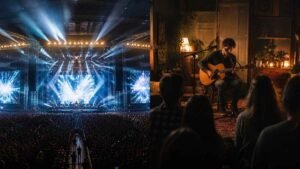
Indie artists focus on artistic expression, while mainstream music often follows trends designed for mass appeal. This difference shapes the sound, themes, and overall feel of the music.
Distribution And Promotion
Indie artists rely on platforms like streaming services and social media to share their work. Mainstream artists often have large marketing teams and radio promotion. Despite this, indie artists can still achieve massive reach today.
Blurred Lines In Modern Music
The gap between indie and mainstream is becoming less clear. Some artists start independently and later collaborate with major labels while maintaining their creative identity. This flexibility is redefining what indie music means today.
The Modern Indie Ecosystem
The indie scene today is more dynamic and accessible than ever before.
Streaming And Discovery
Streaming platforms help indie artists reach global audiences without traditional gatekeepers. Playlists and algorithms play a big role in music discovery. This has created opportunities for niche genres to thrive.
Social Media And Viral Growth
Platforms like TikTok allow indie artists to gain attention quickly. A single viral moment can launch a career. This has changed how music spreads and how audiences discover new artists.
Direct Artist To Fan Connection
Indie artists often connect directly with fans through social media, live streams, and exclusive content. This builds strong communities and loyal fanbases that support artists long term.
Real Examples Of Indie Artists
Looking at real artists makes it easier to understand indie music in action.

Well Known Indie Artists
Artists like Phoebe Bridgers and Tame Impala represent indie music with strong creative identities. Their music blends unique sounds with emotional storytelling. They have achieved global recognition while maintaining an indie approach.
Indie To Mainstream Crossovers
Some artists begin independently and later gain mainstream success. Billie Eilish is a great example of this transition. These artists show how indie music can evolve without losing its core identity.
Emerging Indie Talent
New artists continue to shape the indie scene with fresh sounds and ideas. Many gain popularity through streaming and social media platforms. This constant flow of new talent keeps indie music exciting and innovative.
How To Identify Indie Music?
If you are still wondering what is this music genre in practice, here is how to spot it.
Look At Production And Labels
Check whether the artist is independent or signed to a small label. Indie music often comes from outside major label systems. This is one of the clearest indicators of indie status.
Listen For Style And Sound
This music genre often feels raw, experimental, or emotionally driven. It may not follow typical commercial structures. The sound can vary widely, but authenticity is usually a common thread.
Observe Artist Branding
Artists of this music genre often have a unique visual style and personal brand. Their work reflects individuality rather than mainstream trends. This makes them stand out in a crowded music landscape.
Frequently Asked Questions
1. What defines indie music?
Music created independently from major labels, focusing on creative freedom, authenticity, and artistic control.
2. Is Taylor Swift indie or pop?
Taylor Swift is primarily a pop artist, although some of her music includes indie-inspired elements.
3. What is an example of indie music?
Songs by artists like Phoebe Bridgers or Tame Impala are popular examples of indie music.
4. Who is the most popular indie artist?
Tame Impala and Arctic Monkeys are among the most widely recognized indie artists globally.
Why Indie Music Hits Different
Understanding what is indie music reveals why it resonates so strongly with listeners. It is not just about sound but about independence, creativity, and genuine expression. From its DIY roots to its modern digital presence, indie music continues to shape the industry in meaningful ways. Whether you are exploring new artists or revisiting classics, indie music offers a refreshing and authentic listening experience.