
Music labels can feel messy, especially when an artist breaks all the usual rules. The question “Is Billie Eilish considered indie?” pops up often, and it makes sense. Her early SoundCloud rise, unique sound, and stripped-back production don’t fit neatly into one box. After following her journey from “Ocean Eyes” to global fame, the answer becomes clear but only when you look at both her roots and where she stands today.
Is Billie Eilish Considered Indie? Quick Answer
Here’s the simplest way to understand it before diving deeper. Billie Eilish is not considered an indie artist in the industry sense today. She is signed to major labels and operates at a global pop level.
At the same time, her music still carries indie-pop and bedroom pop influences, which is why many listeners describe her as indie. Songs like “Ocean Eyes” and “idontwannabeyouanymore” highlight that intimate, DIY feel. This mix of mainstream success and indie aesthetics is exactly what makes her hard to classify.
What Does Indie Really Mean Today?
Understanding the term “indie” is the key to answering the question correctly.
Industry Meaning Of Indie
In its original sense, indie music means or refers to artists who:
- Release music independently
- Are not signed to major record labels
By this definition, Billie Eilish is not indie. She signed with Darkroom and Interscope early in her career, which places her firmly in the mainstream music industry.
Sound And Aesthetic Meaning
Over time, indie evolved into a style:
- Minimalist production
- Emotional and raw vocals
- Experimental or unconventional sounds
Tracks like “when the party’s over” show this clearly with soft vocals and stripped-back instrumentation.
Why The Confusion Exists
Most listeners today use “indie” to describe a vibe rather than a business model. That is why Billie often gets labeled indie even when she technically is not.
From Bedroom Pop To Breakthrough: Her Early Journey
Looking at her beginnings helps explain why this label stuck.
Bedroom Pop Beginnings
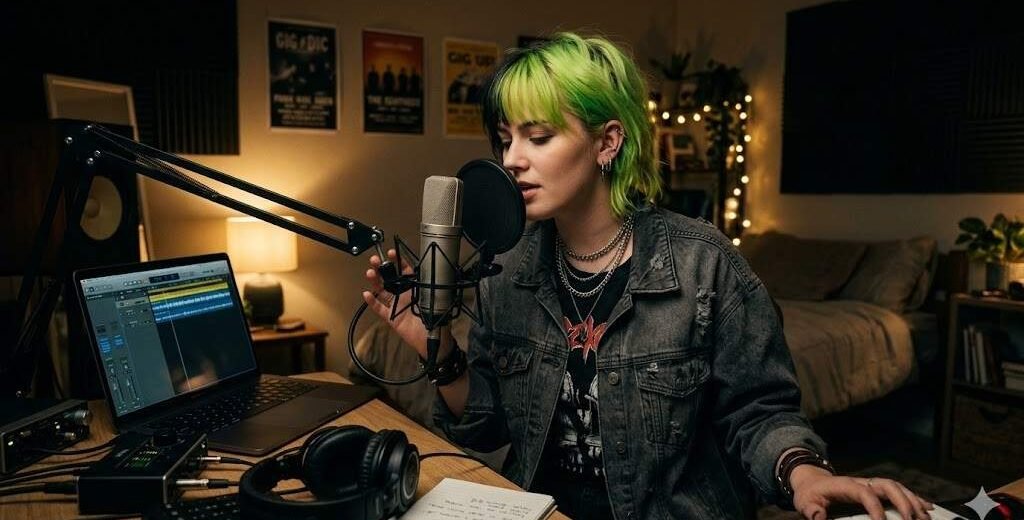
Billie’s breakout track “Ocean Eyes” was recorded at home with her brother Finneas. It was uploaded online without a major marketing push or pull.
That is classic indie behavior:
- DIY production
- No big studio involvement
- Personal and raw sound
Viral Growth And Label Signing
The song quickly gained attention online, leading to a major label deal. Unlike traditional indie artists, she transitioned to mainstream success almost immediately. Songs like “bellyache” still kept that quirky, minimal style even after signing.
Why Her Roots Still Matter
Her early process shaped her identity. Even now, much of her music is still created in a home studio setup, which keeps that indie spirit alive.
Decoding Her Sound: Genre Explained Simply
Now let’s look at how she is classified in the current music landscape.
Alternative Pop At The Core

Most critics classify Billie Eilish as:
- Alternative pop
- Electropop
- Dark pop
Songs like “bad guy” and “bury a friend” showcase this mix of experimental sounds and mainstream appeal.
Indie Influences In Her Sound
Even with global success, her music retains indie elements:
- Whispered vocals
- Minimal beats
- Unusual song structures
For example, “everything i wanted” feels deeply personal and understated, which aligns with indie-pop sensibilities.
A Genre-Blending Artist
Instead of fitting into one category, Billie blends styles. That is why she is often described as an artist who sits between indie and mainstream.
Indie Vs Pop Vs Alternative: Where She Really Fits!
This comparison helps clarify where she truly fits.
Simple Genre Comparison
| Feature | Indie | Pop | Alternative |
| Label Type | Independent | Major label | Either |
| Sound | Raw, DIY | Catchy, polished | Experimental |
| Audience | Niche | Global | Mixed |
| Billie Eilish Fit | Partial | Strong | Very strong |
What This Means For Billie
Billie aligns most with alternative pop, while indie applies more to her style and beginnings rather than her current status.
Why This Table Matters
Many skip this clarity, but understanding these differences makes the answer much easier to grasp.
Why Fans Still See An Indie Vibe?
Even without the official label, she still gives off an indie vibe.
Visual Identity And Style
Her image is very different from traditional pop stars:
- Oversized clothing
- Dark visuals
- Anti-glam aesthetic
This creates a strong indie perception.
Minimalist Production Style
Many of her songs are produced with very few elements. Tracks like “xanny” feel raw and intimate, almost like a home recording.
Connection With Listeners
Her lyrics often feel personal and relatable, which is a hallmark of indie music culture.
How To Identify An Indie Artist Today?
Use this simple framework to evaluate any artist.
Check The Label Situation
If the artist is signed to a major label, they are not indie in the traditional sense.
Analyze The Sound
Does the music feel:
- Minimal
- Experimental
- Personal
If yes, it may have indie influences.
Look At The Production Process
Artists who produce music in home studios or maintain creative control often carry indie characteristics.
Applying this to Billie Eilish shows why she sits between categories.
The Final Verdict: Her True Music Identity
Bringing everything together makes the answer clear.

Industry Perspective
She is not indie because she operates within major label systems.
Musical Perspective
Her sound includes indie-pop and bedroom pop elements, especially in songs like “idontwannabeyouanymore”.
Overall Classification
She is best described as a mainstream alternative pop artist with strong indie influences.
Frequently Asked Questions
1. Is Billie Eilish considered indie or pop?
Billie Eilish is primarily a pop and alternative pop artist, though her music includes indie-pop influences.
2. Who is considered indie music?
Indie music refers to artists who release music independently or maintain a DIY production style without major label backing.
3. Is Taylor Swift indie or pop?
Taylor Swift is mainly a pop artist, although some of her work explores indie-folk and alternative styles.
4. What is Billie Eilish’s political activism?
Billie Eilish supports climate action, voting awareness, and social justice causes, often encouraging young audiences to engage in activism.
So… Is Billie Eilish Considered Indie? Let’s Wrap Up
The answer to “Is Billie Eilish considered indie?” depends on how you define indie. She is not indie in the industry sense because she is signed to a major label and operates at a global level. However, her music, production style, and artistic identity clearly reflect indie influences. That blend of DIY roots and mainstream success is what makes her one of the most unique artists in modern music.