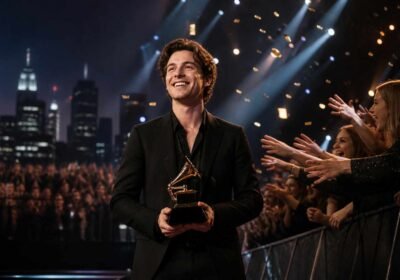
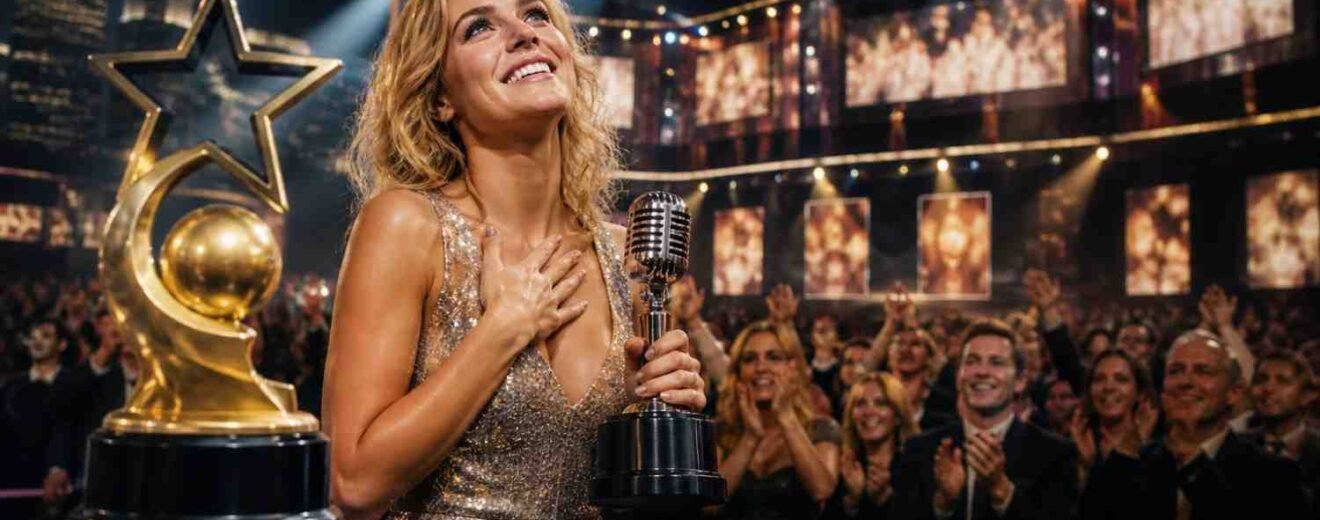
Something feels different about music awards lately. If you’ve followed them even casually over the years, you’ve probably noticed it too. The winners don’t look the same, the categories don’t feel as predictable, and the conversations around awards have shifted from “who won” to “what does this actually mean?”
That shift is exactly what defines music award trends 2026. This year isn’t just about big names collecting trophies; it’s about a deeper change in how music is recognized, valued, and even defined. And once you start connecting the dots, the pattern becomes hard to ignore.
The Artists Who Defined 2026

This year wasn’t short on headline moments. But what stood out wasn’t just the wins; it was what those wins represented.
Bad Bunny made history by becoming the first Latin artist to win Album of the Year at the Grammy Awards for a fully Spanish-language album. That’s not just a win, it’s a shift in what “mainstream” even means.
Kendrick Lamar pushed his legacy even further, becoming the most-awarded rapper in Grammy history. His wins weren’t just about popularity; they reflected storytelling and cultural weight.
At the same time, Olivia Dean dominated the BRIT Awards, showing how newer voices are no longer waiting years to be recognized; they’re stepping in and taking over quickly.
And then there’s Billie Eilish, quietly setting records again, proving that consistency now matters just as much as breakout success.
The Rise of Global and Non-English Music
One of the clearest music award trends 2026 is the collapse of language barriers.
For years, non-English music was pushed into separate categories. Now, it’s winning the biggest ones. Artists like Rosalía are not just “international acts” anymore; they’re central to the conversation.
This isn’t a temporary shift. Streaming platforms have already globalized listening habits. Awards are simply catching up.
The audience no longer cares where a song comes from. If it connects, it wins.
Structural Changes Are Quietly Redefining Awards

What’s happening behind the scenes is just as important as what’s happening on stage.
Award bodies are adjusting their systems to reflect how music is actually being made and consumed today.
Some key changes include:
- New categories like Best Album Cover are returning, acknowledging visual identity again
- Expanded eligibility rules for emerging artists
- Recognition of niche genres that were previously overlooked
These updates might seem small, but they’re reshaping who gets visibility.
When eligibility rules change, entire groups of artists suddenly have a chance to be recognized.
The Industry Is Moving Beyond Charts
For a long time, awards were heavily influenced by charts and commercial success. That’s still relevant, but it’s no longer the only factor.
Now, impact matters more.
That’s why conversations around the best indie albums awards have become more prominent. Independent artists are no longer just “underground”; they’re part of the main narrative.
Awards are starting to reflect:
- Cultural relevance
- Artistic originality
- Fan-driven momentum
Not just radio play or streaming numbers.
The Human Element Is Making a Comeback

One of the most interesting music award trends 2026 is something you don’t immediately see: it’s what’s being valued creatively.
As AI-generated music and overly polished production become more common, there’s a clear counter-movement.
Awards are leaning toward:
- Raw vocals
- Imperfect but real performances
- Story-driven songwriting
Artists who feel human are standing out more than those who feel engineered.
It’s not about sounding perfect anymore. It’s about sounding real.
Politics and Identity Are No Longer Separate From Music
Award shows have always had subtle political undertones. In 2026, it’s not subtle anymore.
Artists are using award stages and red carpets to speak openly about social issues. Whether it’s immigration, identity, or cultural representation, these conversations are becoming part of the award narrative itself.
This changes how wins are perceived.
A win is no longer just about music; it’s also about what that artist represents at that moment.
Physical Media Is Quietly Returning

Streaming dominates everything, but there’s a surprising shift happening underneath.
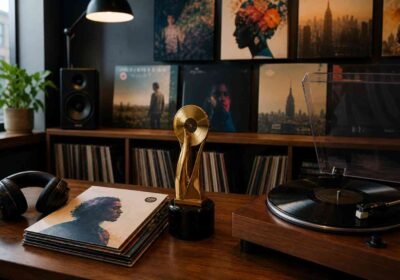
Physical formats, such as vinyl, special editions, and collector releases, are gaining attention again. The return of categories like album cover design shows that the industry is acknowledging the value of tangible music experiences.
This ties into a broader trend:
People want something they can connect with beyond just a playlist.
What This Means Going Forward
If you step back and look at everything together, a clear pattern emerges.
Music awards are no longer just rewarding popularity. They’re reflecting:
- Global listening habits
- Cultural conversations
- Artistic identity
- Audience connection
And most importantly, they’re becoming less predictable.
FAQs: Music Award Trends 2026: Who’s Winning, What’s Changing, and Why It Matters
1. What are the biggest music award trends for 2026?
The biggest trends include global representation, the rise of non-English music, recognition of independent artists, and a shift toward authenticity over commercial success.
2. Why are global artists winning more awards now?
Streaming has removed geographic barriers, allowing artists from different regions to reach global audiences easily.
3. Are music awards still based on popularity?
Not entirely. While popularity still matters, cultural impact and artistic value are becoming equally important.
4. How are independent artists influencing awards?
Independent artists are gaining recognition through strong fan bases and unique sounds, leading to more visibility in major award categories.
Final Thoughts
Music award trends 2026 show something bigger than just industry change; they show a shift in how people connect with music itself. The idea of a “mainstream sound” is fading, replaced by something more fluid and global. And once that happens, the entire system of recognition has to evolve with it.
What makes this moment interesting is that it doesn’t feel controlled anymore. It feels open. And that openness is exactly what’s redefining who gets recognized next.