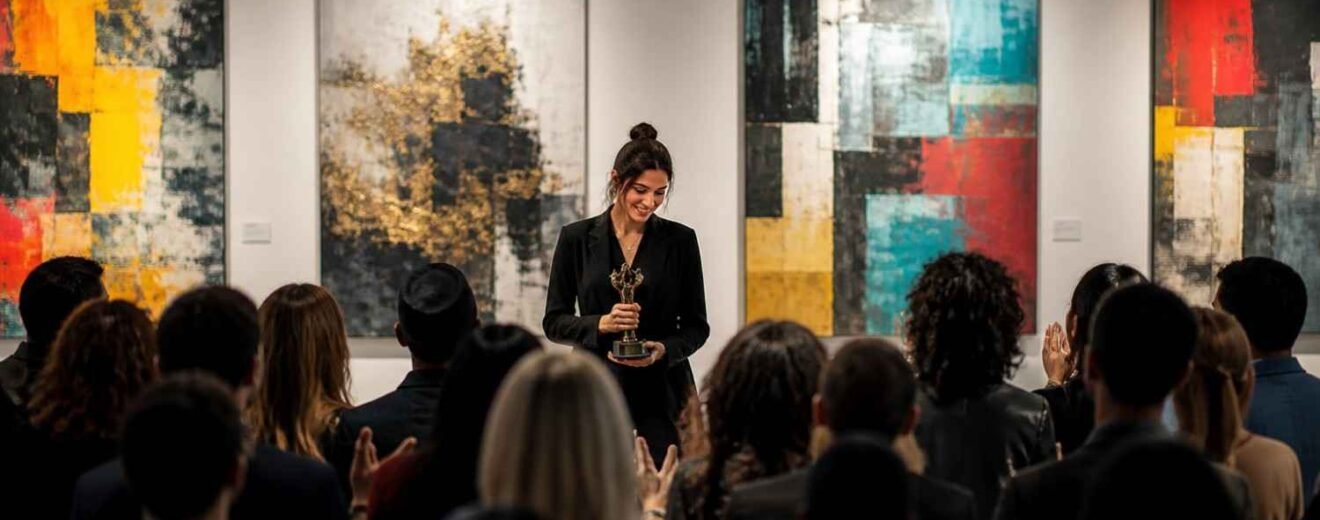
There was a time when awards felt like the final stamp. You made it. No debates. No, “but they went viral.” Just pure recognition. I still remember watching award nights and seeing careers shift overnight. One win, and suddenly an artist was everywhere on the radio, in interviews, and in collaborations. It felt decisive.
Now it’s different. You scroll through social feeds and discover artists who haven’t touched a stage award but already have millions listening. That shift raises a real question: are awards still powerful, or are they just one piece of a much bigger machine?
The Enduring Impact Of Awards On Artist Recognition

Despite all the noise around social media, awards haven’t lost their core strength. They still act as a kind of industry stamp that’s hard to replicate.
When an artist gets nominated, or wins, something immediate happens. Streams go up. Searches spike. People who hadn’t heard of them suddenly pay attention. This is often called the “award effect,” and it’s still very real. Even recently, artists have seen noticeable jumps in streaming numbers right after major wins or nominations. That kind of surge isn’t random; it’s driven by visibility and credibility.
There’s also something deeper than numbers. Awards carry peer validation. When recognition comes from people within the industry, it signals quality in a different way than popularity does. It tells producers, labels, and collaborators that this artist is worth investing in.
For newer artists, this matters even more. Awards can open doors that would otherwise take years to unlock access to better production, bigger stages, and serious industry partnerships.
Awards As Gateways To Bigger Opportunities

What many people miss is how awards function behind the scenes. They’re not just trophies, they’re access points.
For early-career creatives, certain awards and fellowships act as entry tickets. They connect artists with mentors, industry veterans, and real paid opportunities. That kind of exposure can shape an entire career trajectory.
Even at higher levels, recognition changes perception. An award-winning artist is often:
- Taken more seriously by the media
- Offered higher-value collaborations
- Positioned differently in negotiations
It’s not always visible to the audience, but within the industry, awards still carry weight in decision-making.
The Streaming Era Has Changed The Equation

At the same time, ignoring the digital shift would be naive. The rise of platforms like TikTok has completely altered how artists get discovered.
Today, an artist can build a massive following without any institutional recognition. A single viral moment can outperform years of traditional promotion. That has changed how people view success.
In many cases, popularity now comes before recognition, not after.
This creates a new dynamic:
- Awards recognize talent
- Social media creates visibility
And sometimes, visibility wins first.
Still, what’s interesting is how often these two worlds intersect. Viral success frequently leads to award nominations. Artists who gain traction online eventually enter the traditional system, not replace it.
How Awards Are Adapting To Stay Relevant

Awards haven’t stayed static. They’ve been adjusting to reflect how the industry is evolving.
We’ve seen:
- New categories that reflect global and genre-blending music
- Greater attention to representation and diversity
- Changes in voting processes to improve fairness
These shifts aren’t random. They’re attempts to stay culturally relevant and credible in a fast-changing landscape.
There’s also a clear link now between social buzz and award recognition. Viral songs often make their way into nominations, showing that awards are no longer isolated from public momentum; they’re influenced by it.
The Debate: Recognition Vs Popularity

This is where things get interesting. Not all success looks the same anymore.
An artist can:
- Have massive streaming numbers but no awards
- Win awards but lack mainstream popularity
So which one matters more?
The answer depends on perspective.
From a fan’s point of view, numbers and visibility often feel more real. But from an industry standpoint, recognition still signals long-term value.
Awards tend to focus on craft, consistency, and impact beyond trends. Popularity, on the other hand, can be fast but temporary.
This tension is part of why the conversation around the role of awards in artist recognition feels so divided today.
Where Awards Still Hold Strong Power

Even with all the changes, there are areas where awards still dominate.
They matter most when it comes to:
- Long-term credibility
- Industry trust
- Career positioning
Winning or even being nominated still signals a level of excellence that goes beyond numbers. It builds a narrative around the artist, one that lasts longer than a viral trend.
And for artists thinking about sustainability, not just visibility, that distinction matters.
It’s also closely tied to broader conversations around recognition itself. When you look deeper into the importance of awards in music, it becomes clear that they don’t just reward success; they help define what success means within the industry.
So, Do Awards Still Hold Power?
The short answer is yes, but not in the same way as before.
Awards are no longer the only path to recognition. They’re part of a larger ecosystem where social media, streaming, and audience engagement all play major roles.
But they still hold a unique kind of influence, one rooted in credibility, validation, and long-term impact.
They don’t create every successful artist anymore. But they still shape how success is understood.
Frequently Asked Questions: Does The Role Of Awards In Artist Recognition Still Hold Power?
1. Do awards still matter for new artists?
Yes, especially for gaining industry credibility and access to opportunities. While social media can build visibility, awards often open professional doors that are harder to reach independently.
2. Can artists succeed without winning awards?
Absolutely. Many artists build successful careers through streaming and fan engagement alone. However, awards can strengthen long-term positioning and recognition.
3. Why do awards increase streaming numbers?
Awards bring attention. When an artist wins or gets nominated, more people check out their work, leading to a spike in streams and visibility.
4. Are awards more important than social media popularity?
They serve different purposes. Social media drives reach and audience growth, while awards build credibility and industry trust.
Wrapping Thoughts
Awards haven’t disappeared into irrelevance; they’ve just lost their monopoly. They no longer decide who succeeds, but they still influence how success is measured. That distinction matters more than ever in a landscape driven by both algorithms and institutions.
If anything, their role has become more nuanced. Not louder, not weaker, just different.