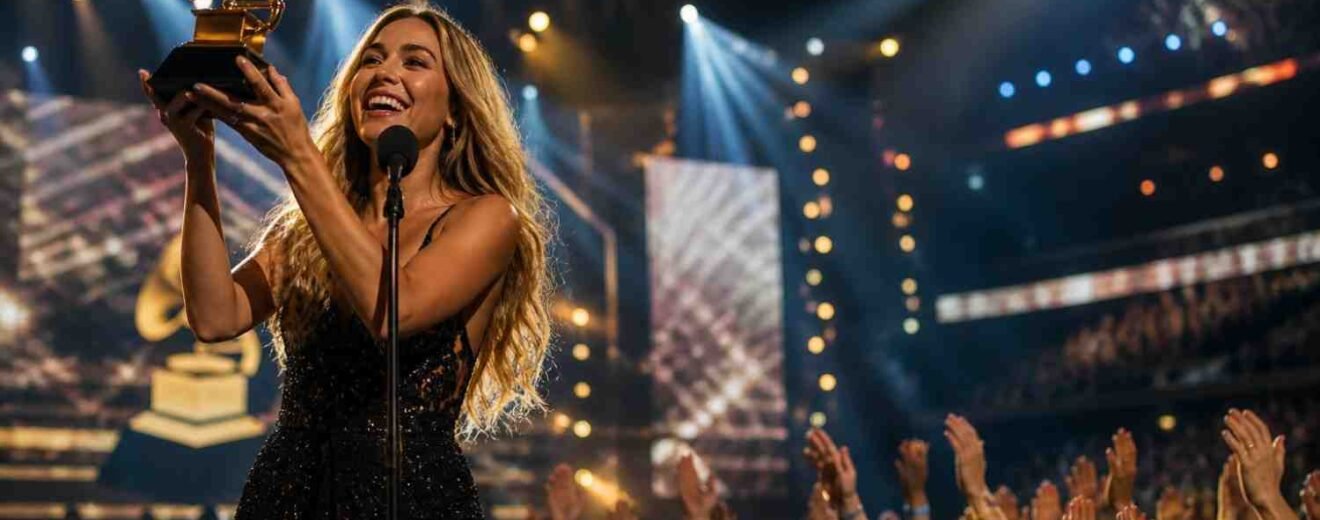
There’s something oddly emotional about watching an artist win a major award. Even if you’re not deeply invested, that moment feels bigger than just a trophy. It’s years of effort, rejection, late nights, and creative risk, finally getting a visible acknowledgment. For many people, the first time they really understand the importance of awards in music is not through reading about it, but by watching an artist they admire stand on that stage.
At the same time, things have changed. Streaming numbers, viral hits, and social media fame now dominate how success is measured. So it’s fair to ask, do awards still matter? Or are they just symbolic at this point? The answer sits somewhere in between, and once you look closely, you realize awards still carry weight in ways that numbers alone can’t replace.
Why Awards Still Matter In The Music Industry

Even in a digital-first world, awards act as a form of industry recognition that feels official. Anyone can go viral, but not everyone gets acknowledged by peers and professionals. That distinction still holds power.
Awards signal credibility. When an artist wins something like the Grammy Awards, it instantly positions them differently in the industry. It tells labels, collaborators, and audiences that this artist has reached a certain standard.
But it’s not just about prestige. Awards also influence perception. Fans start to see artists differently. Media coverage increases. Opportunities begin to stack up.
What Awards Actually Do For Artists
For artists, awards often act as a turning point rather than just a highlight. The impact is practical, emotional, and creative at the same time.
Career Momentum That Feels Immediate
One award can completely shift an artist’s trajectory. Booking fees go up. More festivals want them. Brands become interested. What used to take years can happen in months.
A well-known example is Jon Batiste, who saw a massive surge in album sales after winning a major award. This kind of “award boost” is not rare; it’s expected.
Validation That Goes Beyond Numbers

Streaming numbers can show popularity, but they don’t always reflect artistic respect. Awards fill that gap. They validate the work from people who understand the craft.
That validation often leads to:
- Stronger industry relationships
- Easier access to collaborations
- Greater trust from labels and producers
Creative Freedom After Recognition
This is where things get interesting. After winning an award, artists often feel more confident experimenting. They’re no longer trying to prove themselves; they’re building on recognition.
That shift can lead to:
- More experimental albums
- Less pressure to follow trends
- A clearer artistic identity
Why Awards Matter Just As Much To Fans

It’s easy to think awards are only about artists, but fans play a huge role in why they matter.
A Shared Cultural Moment
Award shows bring people together in a way few things do. Everyone has opinions, predictions, and reactions. It becomes a shared experience.
Fans:
- Celebrate wins
- Debate outcomes
- Feel connected to the artist’s journey
That emotional investment is a big part of the importance of awards in music.
A Way To Discover New Music
Not everyone has time to explore every new release. Awards act as a filter. They highlight artists and songs worth paying attention to.
Many listeners discover new genres or artists simply because they were nominated or performed at a major event.
Representation And Identity
When artists from specific communities win, it resonates deeply. It’s not just about music, it’s about visibility.
Seeing someone who represents your background succeed at a high level can be powerful. It sets a benchmark and inspires others.
The Criticism: Are Awards Still Fair And Relevant?

This is where things get complicated.
Artists like The Weeknd have openly criticized award systems, questioning their transparency and fairness. Some have even chosen to step away from major ceremonies.
Common concerns include:
- Lack of diversity in nominations
- Unclear voting processes
- Bias toward certain genres or labels
At the same time, the rise of streaming has created another layer of debate. If success can be measured instantly through numbers, do awards still matter?
The honest answer is yes, but differently.
Awards are no longer the only measure of success, but they remain one of the most respected forms of recognition.
So, Do Awards Still Hold Real Value?

The importance of awards in music hasn’t disappeared it has evolved.
They’re no longer the gatekeepers of success, but they still act as:
- A symbol of credibility
- A career accelerator
- A cultural moment
- A long-term reputation builder
In a world full of noise, awards still help certain voices stand out in a more meaningful way.
Frequently Asked Questions: Understanding The Importance Of Awards In Music For Artists And Fans
1. Why are music awards important for artists?
Music awards provide recognition, boost career opportunities, and validate an artist’s work within the industry. They also increase visibility and open doors to collaborations.
2. Do awards increase music sales and streams?
Yes, many artists experience a significant rise in streams and sales after winning or even being nominated. This is often referred to as the “award boost.”
3. Are music awards still relevant today?
They are still relevant, but not the only measure of success. Awards now exist alongside streaming metrics and social media influence.
4. Why do fans care about music awards?
Fans enjoy the shared experience, discover new artists, and feel connected to the success of their favorite musicians.
Wrapping It All Up
Awards in music sit at an interesting intersection of art, business, and culture. They’re not perfect, and they’ve definitely been questioned more in recent years. But despite all that, they continue to hold emotional and professional weight. For artists, they can change careers. For fans, they create moments that feel bigger than music itself.
At the end of the day, awards may not define success completely, but they still shape how success is seen, remembered, and celebrated.