
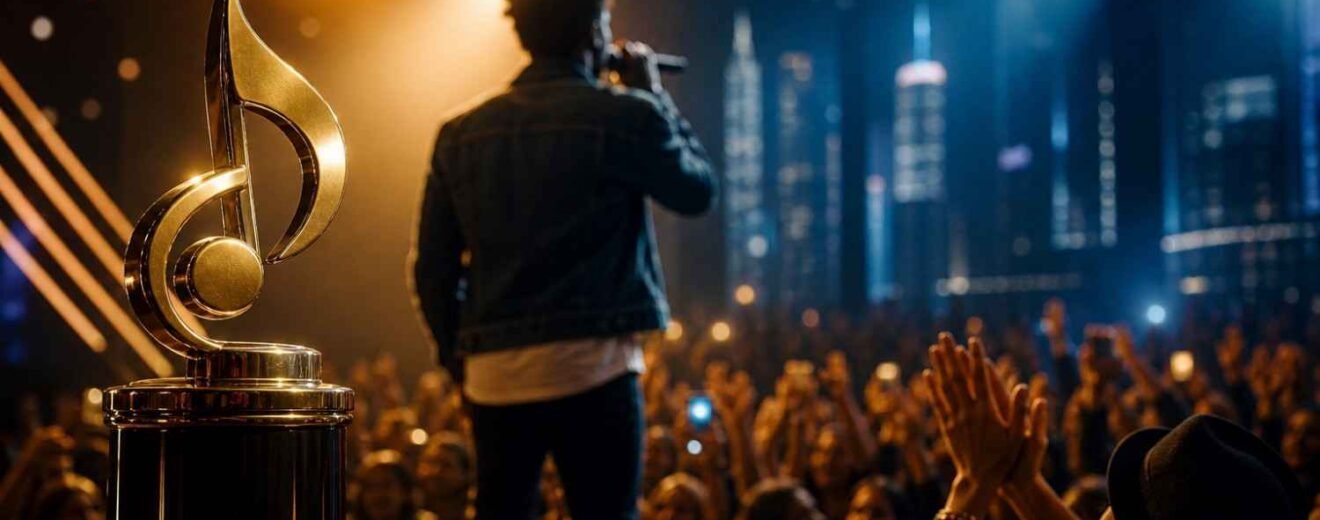
There was a time when I judged artists purely by what I heard on playlists. Streams, viral hits, and trending sounds that felt like the real measure of success. But over time, something else kept showing up in conversations, headlines, and even my own perception: awards. Not just as trophies, but as signals. Subtle, but powerful.
You start noticing how one win can shift everything. Suddenly, an artist you barely paid attention to is everywhere in interviews, playlists, and collaborations. It makes you question what really drives success in music today. Is it the audience, the algorithm, or the industry itself?
The Real “Award Effect” on Music Careers

Awards still carry a weight that streaming numbers alone can’t replicate. When an artist wins a major honor like the Grammy Awards, the impact is almost immediate and measurable.
There’s a clear spike in:
- Streaming numbers
- Album sales
- Media visibility
Jon Batiste’s massive surge in sales after his Grammy win is one of many examples that show how quickly momentum builds. It’s not just attention, it’s conversion. People don’t just hear about the artist; they go listen.
But the real shift happens behind the scenes.
Artists gain leverage. Labels listen differently. Suddenly, there’s more room to experiment, to say no, to shape a career instead of just following one. That’s where awards move from being symbolic to strategic.
How Awards Shape Public Perception

Public perception of music is fragile. It’s influenced by trends, social media, and constant content. Awards step in as a form of stability.
They act as a filter.
When an artist is labelled “award-winning,” it changes how people approach their music. There’s an assumption of quality, even before the first note plays. That perception builds trust, especially in a space where thousands of tracks are released daily.
This is closely tied to the bolded concept of the role of awards in artist recognition, where industry validation gives artists a level of credibility that organic reach alone often cannot achieve.
And it doesn’t stop at credibility.
Awards help shape identity. Artists like Beyoncé and Taylor Swift didn’t just gain recognition; they became cultural figures. Their award wins amplified their voices, allowing them to influence conversations far beyond music.
Awards vs Streaming Fame: What Really Matters?

Streaming has changed everything. A song can go viral overnight without any industry backing. But viral fame and award recognition operate differently.
Streaming success is:
- Fast
- Audience-driven
- Often short-lived
Awards, on the other hand, are:
- Slower to achieve
- Industry-driven
- Long-lasting in impact
An artist with millions of streams might dominate charts today. But an award-winning artist often holds relevance for years, even decades. That’s the difference between attention and legacy.
The gap becomes clear when trends fade. Viral artists sometimes struggle to maintain momentum, while award-recognized artists tend to retain credibility even during quieter phases.
Industry Leverage and Creative Freedom

One of the most overlooked effects of awards is the control they give artists.
Winning or even being nominated can open doors that were previously closed:
- Better contract negotiations
- High-profile collaborations
- Invitations to major festivals
- Brand partnerships
More importantly, it creates space for creative risk.
Artists who win awards often move toward more experimental or personal projects. They no longer need to prove themselves in the same way. Meanwhile, those who miss out sometimes shift toward safer, more mainstream sounds in hopes of future recognition.
This dynamic quietly shapes the direction of music itself.
The Psychological Impact on Audiences

Awards don’t just influence artists they shape how listeners think.
There’s a psychological shortcut at play. When people see an artist recognized by an institution, they assume expertise and quality. It’s similar to how people trust reviews or certifications.
This affects:
- What people choose to listen to
- How seriously they take an artist
- Whether they revisit older work
Awards also create shared cultural moments. Award shows become spaces where audiences discover new artists, debate winners, and form collective opinions about what “deserves” success.
Over time, these moments build an artist’s legacy.
The Limitations and Criticism Around Awards
Despite their influence, awards are far from perfect.
There’s ongoing criticism around:
- Lack of diversity in nominations
- Bias toward commercially successful artists
- Industry politics influencing outcomes
Some fans feel awards don’t always reflect true artistic merit. Snubs often spark more conversation than wins, raising questions about fairness and representation.
There’s also pressure on artists.
Chasing awards can lead to creative compromises. Instead of making music that feels authentic, some artists may lean toward what they think voters will prefer. That tension between creativity and recognition is one of the biggest challenges in the industry.
Long-Term Impact: Beyond the Moment
Awards are not just about the night they’re won.
They leave a lasting imprint.
Winning a major award becomes part of an artist’s identity. It influences how future work is received, how media frames their story, and how history remembers them.
Even years later, the label “award-winning” continues to carry weight. It shapes legacy in a way that charts and streams alone rarely do.
That’s why, despite all the changes in the music landscape, awards still matter.
Frequently Asked Questions: How Awards Influence Music Success and Public Perception of Artists
1. Do music awards still matter in the streaming era?
Yes, they do. While streaming drives visibility, awards provide credibility and long-term recognition that streaming alone cannot sustain.
2. How do awards affect an artist’s popularity?
Awards often lead to immediate spikes in streams, sales, and media attention, increasing both short-term popularity and long-term visibility.
3. Are awards more important than streaming numbers?
They serve different purposes. Streaming reflects audience demand, while awards reflect industry validation. Both influence success in different ways.
4. Why do some artists criticize music awards?
Criticism usually centres around bias, lack of diversity, and the belief that awards sometimes prioritise commercial success over artistic quality.
Final Reflections On Awards And Artist Legacy
Awards sit at an interesting intersection of art, business, and perception. They don’t just reward success, they shape it. From boosting streams to redefining credibility, their influence runs deeper than most people realize. At the same time, they’re not flawless. Bias, pressure, and industry politics complicate their role, making them both powerful and controversial.
Still, one thing is clear. Awards may not define talent, but they do shape how the world sees it.