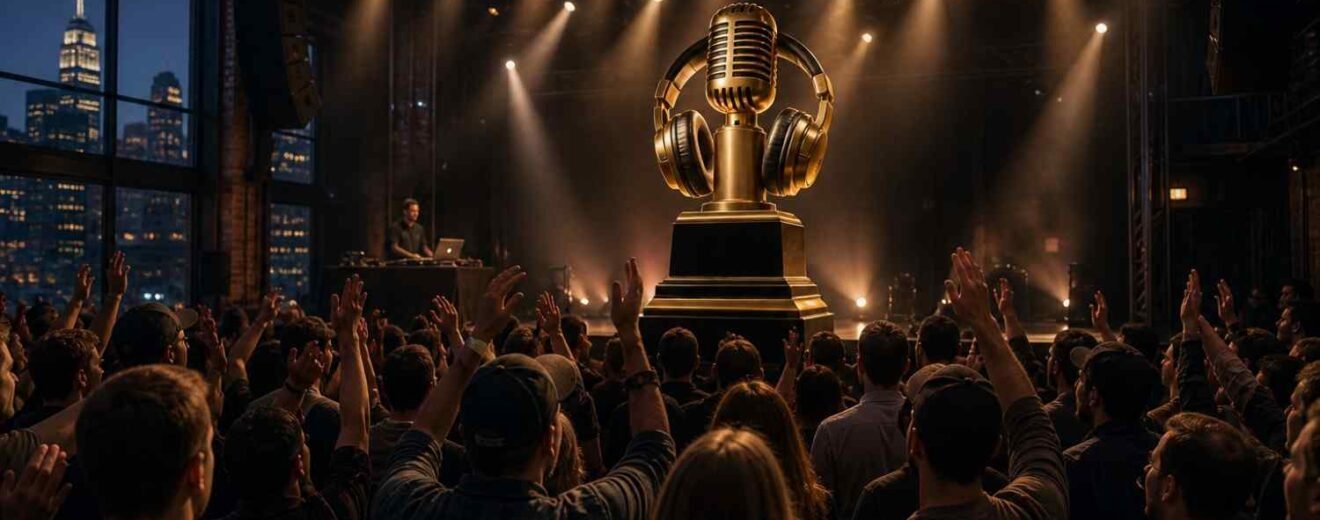
If you’ve followed mainstream award shows long enough, you start noticing a pattern. Same big names, same polished performances, same predictable winners. It looks impressive, but it doesn’t always reflect what’s actually happening in music.
That’s where the underground music awards in the USA start to stand out. They don’t try to impress everyone; they focus on recognizing real, emerging talent. And in 2026, that scene isn’t small or hidden anymore. It’s growing, evolving, and quietly reshaping how artists get noticed.
What Underground Music Awards Actually Represent

Underground awards aren’t just “smaller versions” of mainstream shows. They operate on a completely different mindset.
Instead of being driven by industry politics or commercial success, they focus on:
- Independent artists
- Niche genres
- Community-driven recognition
This means artists who may never appear on major award stages still get meaningful recognition. And for many, that recognition feels more real because it comes directly from listeners, local communities, and independent platforms.
How the Scene Is Evolving in 2026

The underground music award scene in the USA has become more structured than before. It’s no longer just local gigs and small showcases; it now includes organized ceremonies, regional competitions, and even industry-recognized platforms.
Events like the Libera Awards have become one of the strongest voices in independent music recognition. Held at Gotham Hall in New York, it’s often seen as the closest thing to a “mainstream-level” event for indie artists.
Then you have community-driven platforms like The Underground Awards, where winners are heavily influenced by audience voting. This makes the process feel more connected to actual fan support rather than industry decisions.
At a more genre-specific level, events like the Extreme Music Awards focus on scenes that rarely get spotlighted elsewhere in metal, punk, and hardcore.
And it doesn’t stop there. Regional ceremonies like the Motif Music Awards and global recognition platforms such as the Global Music Awards give artists multiple entry points into recognition.
Live Events and Competitions Still Drive the Culture
While award ceremonies matter, the underground scene is still powered by live experiences.
Events like Music Biz 2026 and its Bizzy Awards bring industry professionals and indie artists into the same space. This creates a bridge between underground talent and broader opportunities.
Local competitions like Battle of the Hamm’s 2026 and creative formats like Crash the Decks: Drummer and DJ Tournament keep the grassroots energy alive.
These aren’t just competitions; they’re platforms where artists test themselves, build audiences, and grow organically.
Festivals That Function Like Awards
Some of the most important recognition doesn’t even come from formal ceremonies.
Take the Underground Music Showcase, for example. It’s a multi-day event that features hundreds of artists, giving exposure that often matters more than a trophy.
Similarly, festivals like Infrasound Festival and The Untz Festival highlight specific music communities, especially electronic and bass music.
In these spaces, recognition comes from performance, crowd response, and word-of-mouth momentum.
Why Artists Care More About These Awards Now

There’s been a clear shift in how artists view recognition.
For a long time, success meant getting noticed by major labels or winning mainstream awards. Now, that’s changing. Independent artists are building their own audiences through streaming platforms, social media, and live performances.
That’s why underground awards matter more; they reflect real engagement.
This shift is closely tied to broader music award trends 2026, where audiences are paying more attention to authenticity rather than popularity alone. Recognition is no longer just about charts; it’s about connection.
What Makes Underground Recognition Different

The difference isn’t just in scale, it’s in how recognition is earned.
Key Differences That Stand Out
- Fan-driven voting instead of industry panels
- Genre-specific focus instead of broad categories
- Community validation over commercial success
- Multiple entry points through events, festivals, and competitions
This creates a system where artists don’t need massive exposure to gain credibility.
The Role of Digital Platforms in This Growth
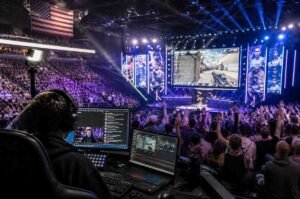
Streaming and social platforms have completely changed the game.
Artists can now:
- Release music independently
- Build niche audiences
- Gain traction without labels
Underground awards have adapted to this shift. Many now consider digital presence, streaming growth, and audience interaction as part of their recognition process.
This makes the entire ecosystem more accessible and more competitive at the same time.
The Real Value of Underground Music Awards
What makes these awards important isn’t just the recognition, it’s what they represent.
They give artists:
- Visibility within their niche
- Opportunities to connect with industry professionals
- A sense of validation that feels earned
And for audiences, they offer something different in music that hasn’t been filtered by mainstream expectations.
FAQs: What You Need to Know About Underground Music Awards in the USA Right Now?
1. What are the underground music awards in the USA?
They are award platforms and events that recognize independent and emerging artists, often outside mainstream industry systems.
2. Are underground music awards credible?
Yes. Many are respected within specific music communities and can significantly boost an artist’s visibility and credibility.
3. How do artists get nominated for underground awards?
It depends on the platform. Some use community voting, while others rely on submissions, local competitions, or industry panels.
4. Do underground awards help artists grow their careers?
Absolutely. They provide exposure, networking opportunities, and validation that can open doors to bigger platforms.
Final Thoughts
Underground music awards in the USA are no longer just side events in the music world. They’ve become a parallel system of recognition, one that reflects what listeners actually care about. As the gap between mainstream success and real audience connection continues to grow, these platforms are stepping in to fill that space.
And if you look closely, you’ll notice something interesting. The artists gaining traction here aren’t waiting for validation anymore. They’re building it on their own terms, and that’s exactly what makes this movement impossible to ignore.